Nov 09, 2025 • By Admin
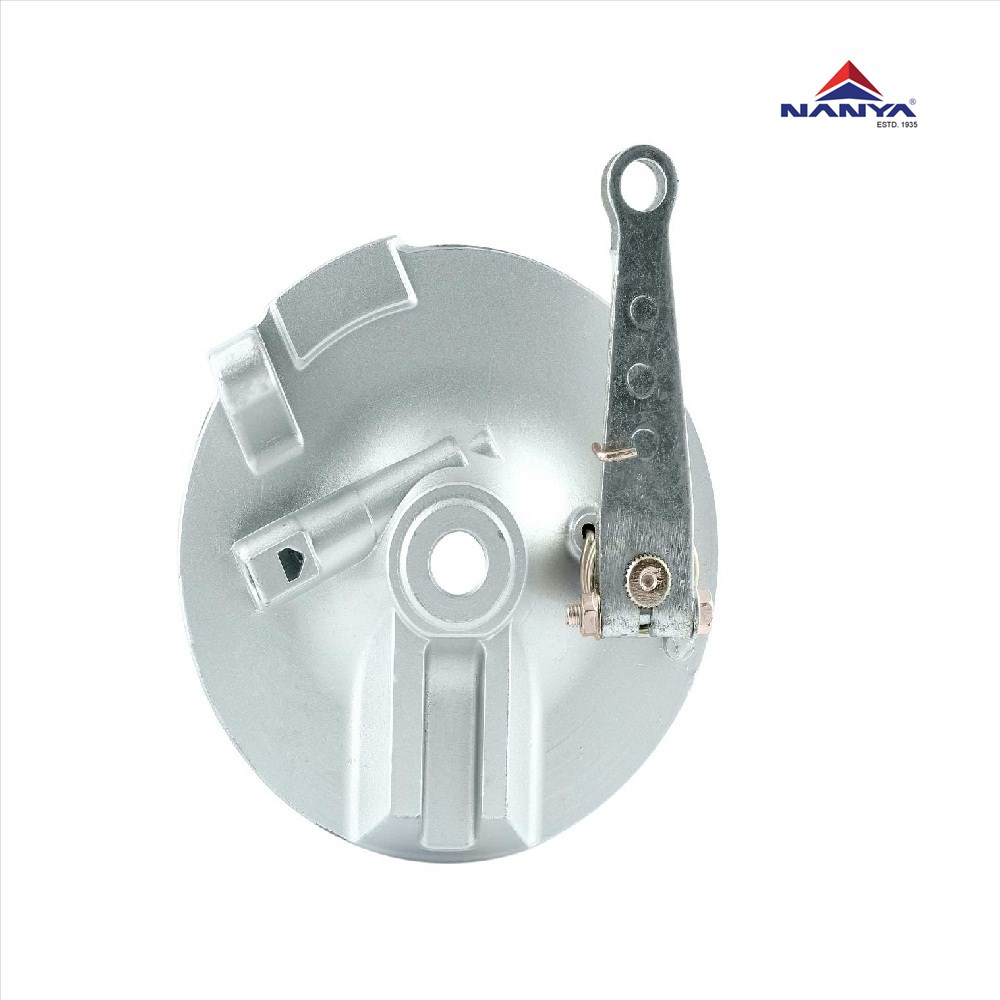
E-rickshaw brake shoe replacement is one of the most overlooked yet critical aspects of vehicle safety and performance. Across India—from Delhi to Ranchi and every busy tier-2 city—e-rickshaws are the lifeline of urban and rural mobility.
But here’s the catch: the brake shoes take the most stress from frequent stops, uneven roads, and overloading. Ignoring them can result in performance loss and serious safety hazards.
Passenger and driver safety
Smooth and responsive braking
Extended vehicle life
Improved efficiency and reduced wear
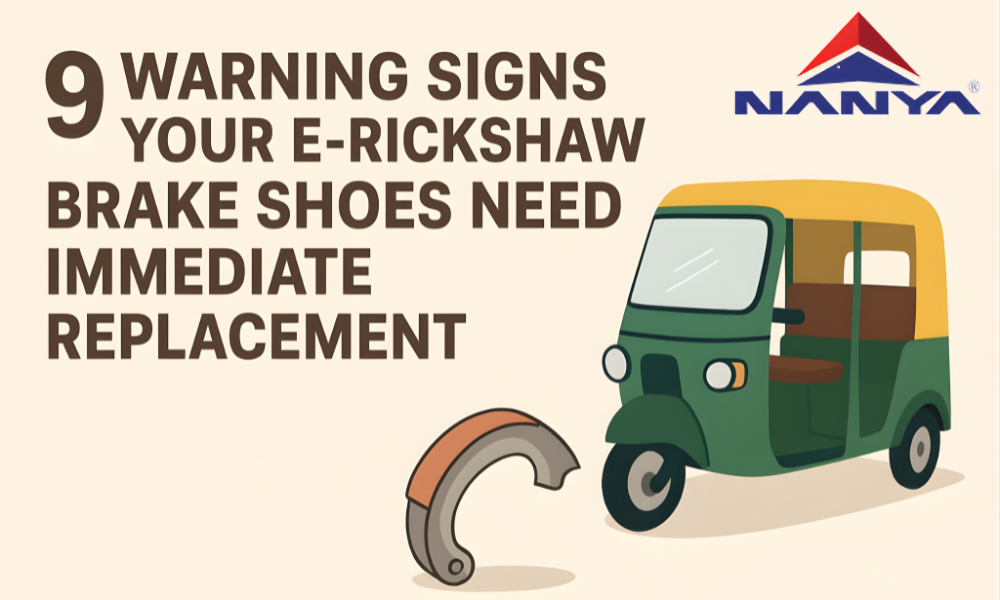
Let’s explore the 9 key warning signs your e-rickshaw’s brake shoes might need immediate attention.
One of the most common signs that your brake shoes need urgent replacement is a squealing or screeching sound while applying brakes. This high-pitched noise usually indicates that the brake lining is worn out, and the metal components are grinding against the drum.
Worn-out brake lining
Metal-to-metal contact
Dust and debris accumulation
Replace brake shoes immediately
Clean the brake assembly
If your e-rickshaw doesn’t stop promptly after applying the brakes, that’s a clear red flag. This issue often occurs when the brake shoes are so worn that they can't create the necessary friction to stop the vehicle.
Higher stopping distance
Increased risk of accidents
Pro Tip: Always test braking response weekly if your e-rickshaw runs commercially.
Do you feel a shudder when braking at low speeds or during emergency stops? It’s likely due to uneven brake shoe wear or an out-of-round drum.
Steering wheel vibration
Brake pedal pulsation
Ensure regular brake drum inspection
Always replace brake shoes in pairs
A visual inspection can reveal a lot. If the brake shoe material is less than 1.5mm thick, it’s time to replace it.
Brake shoe thickness gauge
LED inspection light
Pro Tip: Schedule inspections every 3,000 to 5,000 km.
If you smell a chemical or burning rubber odor, your brake shoes may be overheating—especially after downhill rides or heavy loads.
Brake fade
Total brake failure
Stop the vehicle immediately
Allow brakes to cool
A mushy brake pedal usually means there’s air in the brake lines or severely worn-out brake shoes.
Press the brake pedal—if it touches the floor too easily, you’ve got an issue
Bleed the brake system
Replace brake shoes with high-friction models
If your e-rickshaw pulls left or right when braking, it's a clear red flag that your brake system isn’t balanced. This usually indicates that one side’s brake shoes are more worn out than the other, resulting in uneven braking pressure. On Indian roads—where quick stops are frequent and vehicle loads vary—this can quickly escalate into a serious safety concern.
Post-monsoon or prolonged use leads to rust formation or even cracks on the surface. Also, overheating can cause glazing, where the friction surface becomes shiny and ineffective.
Brownish rust patches
Cracked linings
Glazed shiny finish
Consult your mechanic
Replace faulty brake parts immediately
High-friction material like organic or semi-metallic
Heat resistance up to 300°C
Rust-proof coating
Perfect fit for your model
When it comes to reliability and performance, Nanya has earned its place among top e-rickshaw parts manufacturers in India. Here’s why mechanics and fleet owners choose Nanya:
Tailored for Indian terrain
Tested under high-load conditions
Engineered with longevity in mind
Consistent performance and braking power
Buyers avoid trying anything new—playing safe due to lack of knowledge.
Everyone is making the same product—zero uniqueness.
The only retention strategy? Price or credit.
test